
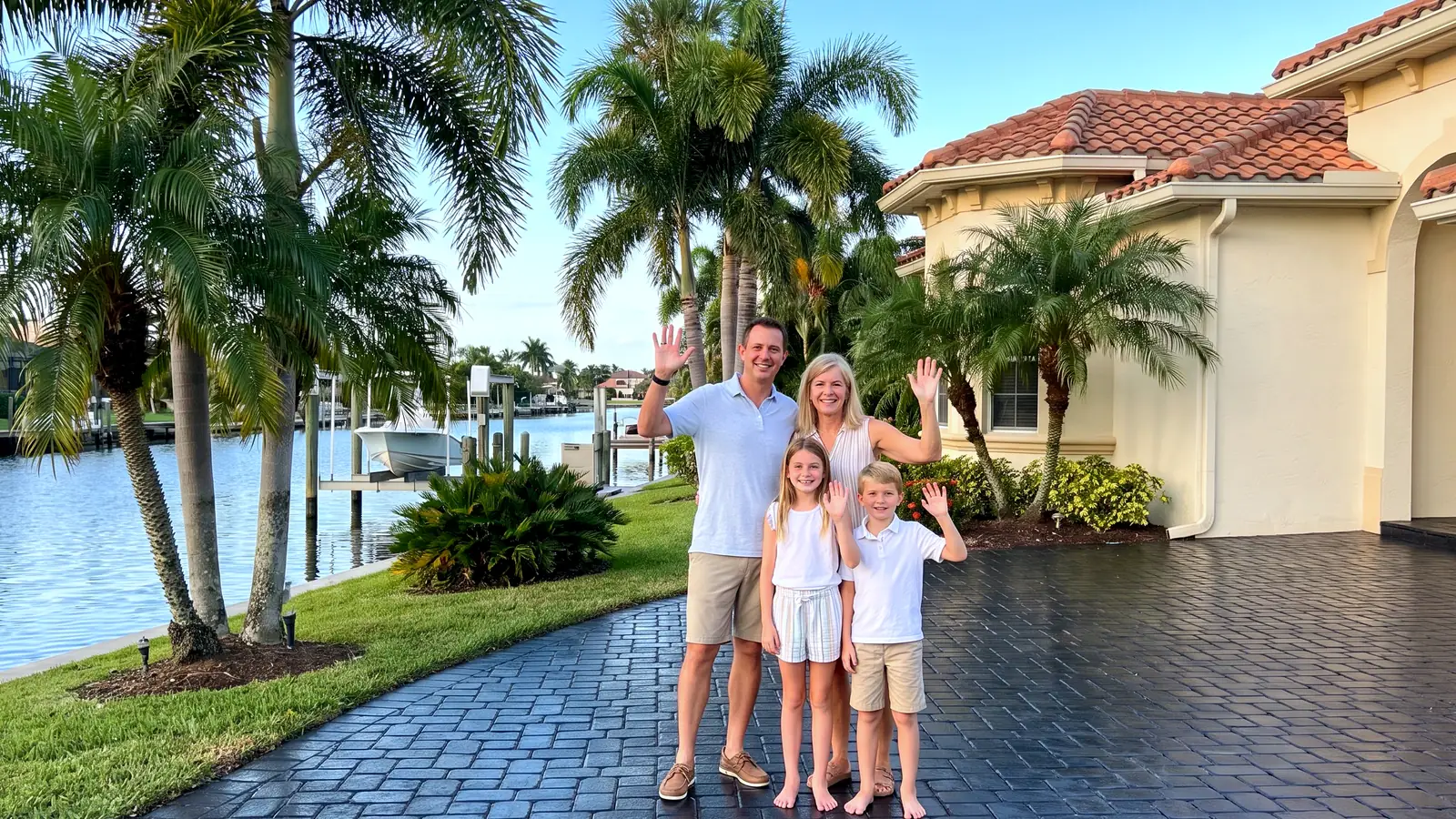
Deeper color, steadier joints and easier cleaning
Paver Sealing in Dunedin, FL
Call (727) 493-9640 and a local contractor will price sealing for your Dunedin driveway, patio or pool deck.
- Brings out deeper paver color
- Fresh joint sand helps lock pavers in place
- Gives weeds less room to grow
- Makes the surface easier to keep clean
- Free estimate, no obligation
Request a Free Estimate
Free, no obligation.
Who can seal pavers at my Dunedin home, and how soon?
A local contractor can seal pavers at your Dunedin, FL home, and you will hear back within 1 business day, usually much sooner. The estimate is free, with no obligation. To get started, call (727) 493-9640.
Sealing brings back deep color, helps keep the joint sand in place and makes pavers easier to rinse. The drive you cross every morning looks cared for again, with fewer weeds in the seams. Driveways take tires and oil drips, while pool decks take splashing water and wet feet. Say how you use each area when you ask for a free estimate.
Paver Sealing Dunedin Is Proud to Serve Tampa Bay
What is included when pavers are sealed in Dunedin?
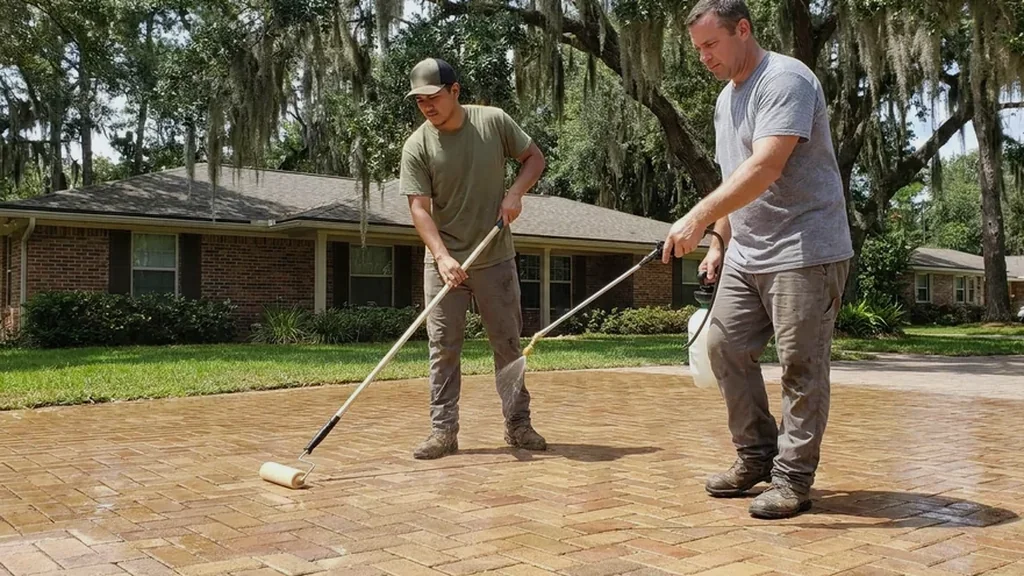
A sealing job covers an inspection, washing, fresh joint sand and a coat of sealer. Washing comes first, because Rusty's Pro Wash and Seal warns that sealing over algae or stains traps them. To hear the steps planned for your surface, call (727) 493-9640.
Inspection
The contractor looks for sunken spots, worn out sealer and stains. They also look at where water runs and pools.
Washing
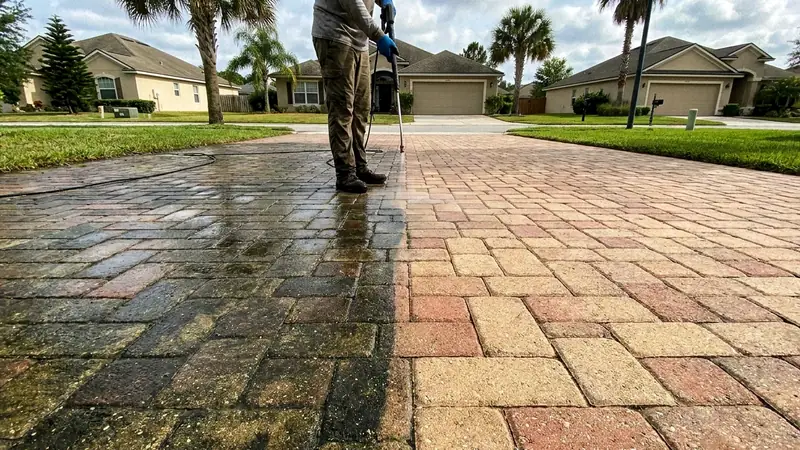
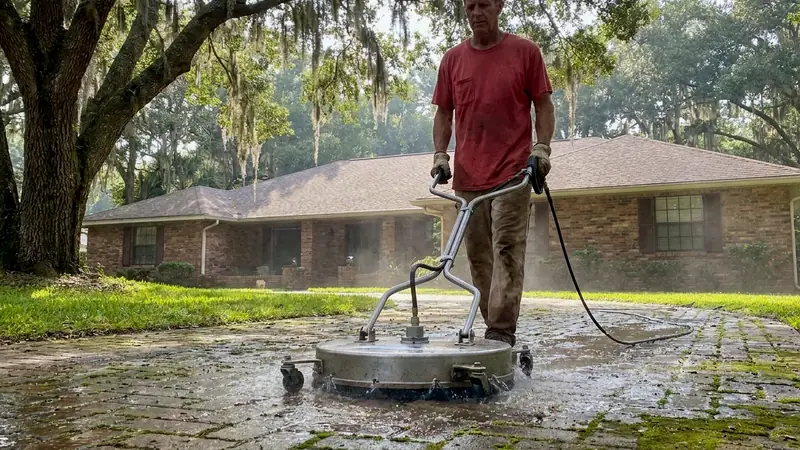
Algae, dirt and residue come off before anything else. A fan nozzle kept about a foot away protects the joints, as Unilock advises.
Joint sand
Fresh sand goes in once the surface is dry. That keeps pavers steady and leaves weeds little space.
Sealer
The product goes on a dry surface by sprayer, then a dry roller removes extra. Coverage follows the label for that product.
How can I tell my pavers need sealing?
Look for faded color, joints that have lost sand, or water that no longer beads. Rusty's lists weeds, quick returning algae and stains that set in easily as other signs. Joint sand loss lets weeds in and lets pavers shift, and fixing that costs more than a maintenance coat. To have yours looked at, call (727) 493-9640.
Which sealer works for Dunedin's humid air?
Sealers are not one size fits all, so ask which product the contractor plans to use and the reason for it. Unilock describes water-based sealers as low odor and lower gloss, covering about 100 to 150 square feet a gallon. Solvent-based sealers give more shine and can last four to five years, covering about 80 to 120 square feet a gallon. To talk through your surface, call (727) 493-9640.
Unilock lists both types at about $80 to $150 a gallon. The labor and the wash usually cost more than the sealer itself, which is why a quote built on the cheapest product tells you little. Brick pavers soak up sealer more than concrete, so they often call for a different product. Ask what the contractor would pick for your pavers when you ask for a free estimate.
Should I choose a wet look, natural or high gloss finish?
Choose wet look for richer color, natural to stay close to the original look and high gloss for a bold shine. Rusty's says wet look is the finish people ask for most around Tampa Bay. Unilock warns that high gloss can get slippery when wet, so a pool deck may suit a lower sheen. Ask to see examples of each when you ask for a free estimate.
How often should pavers be resealed in Dunedin?
Reseal every three to five years, which is the span both Unilock and Rusty's give. Full sun on an open driveway pulls that toward three, and a covered lanai can reach five or longer. Saltwater pools and direct Gulf exposure shorten it, according to Rusty's. A coat is wearing out when sprayed water soaks in rather than beading. To have it checked, call (727) 493-9640.
Does more sealer mean more protection?
No, extra sealer does not mean extra protection. Unilock says too much sealer leaves streaks and an uneven look, and it wants any excess rolled off. Seal the surface in one pass so layers do not stack in one spot, because that causes gloss differences. Treat any deal that leans on extra coats with caution, and ask how much coverage is planned before you ask for a free estimate.
When is the right time of year to seal pavers in Dunedin?
Pick a dry stretch with temperatures between 50 and 90 degrees. Unilock calls 75 degrees the sweet spot and warns that pavers that are too hot can stain or peel. It also asks for 24 to 48 hours of clear weather and sprinklers turned off. Rusty's says spring, fall and winter are often ideal, though pavers can be sealed all year when the weather cooperates. To line up a date, call (727) 493-9640.
Wait 60 to 90 days after new pavers go in, Unilock adds, so efflorescence has time to clear. Moisture can get locked under a coat that goes on too early. If your pavers are newer than that, share the install date when you ask for a free estimate.
Can sealing fix pavers that have sunk or shifted?
No, sealing will not lift a paver that has sunk or pulled apart. Unilock says dips in older work should be leveled before sealing so liquid does not pool. Ask whether the price includes that repair. Joint sand is sold in several colors, and one near your paver shade blends in better. Bring up both when you ask for a free estimate.
Which paver surfaces around a Dunedin home can be sealed?
Driveways, pool decks, patios and walkways all take sealer. Wear differs from one area to the next, so the plan should fit how each is used. To start with yours, ask for a free estimate.
Driveways
A driveway holds tires, oil drips and the longest hours of sun. Sealing here keeps color even and joints full where wheels roll.
Pool decks and lanais
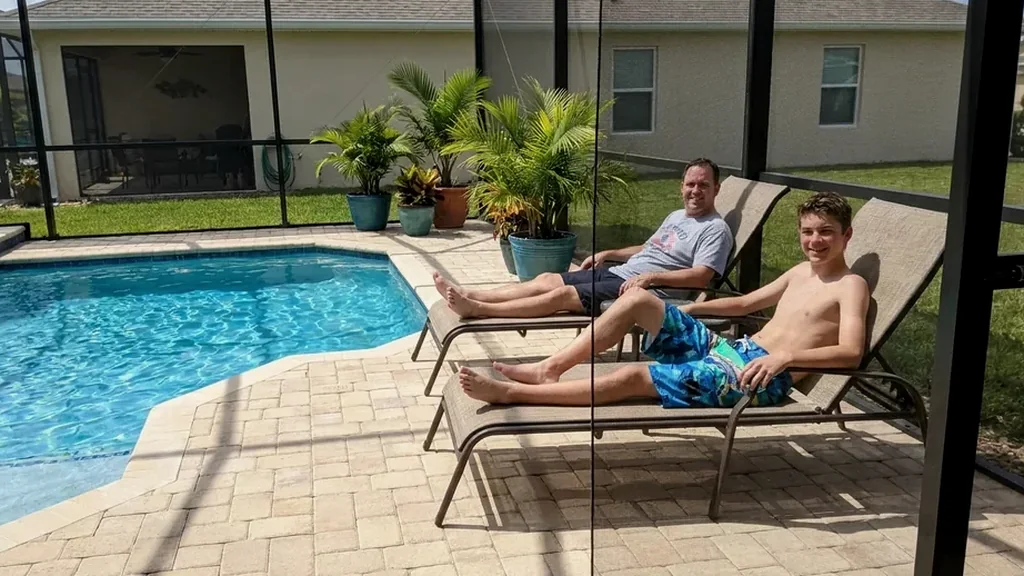
Pool decks stay wet, and splash water, pool chemicals and bare feet each leave a mark. Sealing around a pool should still leave footing you can trust.
Patios under the oaks
Shade and falling leaves keep a patio damp, so algae starts early. Sealing a patio begins with the greenest corners and the stains leaves leave behind.
Walkways and entries
A walkway runs beside beds, mulch and sprinkler heads, so it picks up soil and rust marks. Sealing an entry is a small job that visitors see first.
What paver problems are common in Dunedin?
Five problems come up often around Dunedin: algae in shade, salt and spray, lost joint sand, sprinkler marks and oak stains. To have yours looked at, call (727) 493-9640.
1. Green film in damp, shaded spots
Dunedin has a humid subtropical climate, and Pinellas County sees near daily summer thunderstorms. Shaded edges under live oaks stay wet, and that is all algae needs.
2. Salt and spray near the water
Rusty's says homes with direct Gulf exposure face heavier salt air and wind-driven moisture. That can shorten the time between coats.
3. Joint sand lost to summer rain
Nearly two thirds of a Pinellas year's rain falls from June through September. Water carries sand out of the joints, and open joints let weeds in and pavers shift.
4. Marks from sprinklers
Rusty's lists irrigation heads that hit one strip every morning as a cause of early wear. Mineral deposits from overspray show up as white or rust colored marks.
5. Tannin stains from oak leaves
Live oaks grow across Pinellas County, and their leaves and acorns leave brown tannin stains on unsealed pavers. The stains go in deeper the longer they sit.
What does paver sealing cost in Dunedin?
Tampa Bay paver companies publish $1.25 to $2.50 per square foot to clean, sand and seal, and that range applies to Dunedin. Rusty's says most companies set a minimum charge between $500 and $1,000, so a small patio can cost more per square foot than a big driveway. Price follows square footage first, then condition. To turn the range into a real number for your home, ask for a free estimate.
Rusty's gives examples of $500 to $1,000 for a 250 square foot patio and $1,000 to $2,000 for an 800 square foot pool deck. Deep stains, sunken sections and a failed coat all mean extra labor. Not ready to seal yet? Read about paver cleaning and joint sand, or see the areas served around paver sealing in Dunedin.
| Paved area | Typical example | Clean, sand and seal |
|---|---|---|
| 300 sq ft | Small patio or walkway | $375 to $750 |
| 600 sq ft | Two car driveway | $750 to $1,500 |
| 1,000 sq ft | Large driveway or pool deck | $1,250 to $2,500 |
| 1,500 sq ft | Driveway plus pool deck | $1,875 to $3,750 |
Math based on the $1.25 to $2.50 per square foot that Tampa Bay paver companies publish. Your contractor sets the actual price after seeing the surface. Repairs, leveling and stripping failed sealer are usually extra.
Why hire a local contractor for paver sealing in Dunedin?
A local contractor already works under the same oaks, in the same damp air and through the same summer storms your pavers face. Ask for the price in writing, and take as long as you need to decide. To get started, call (727) 493-9640.
A contractor who knows this shoreline
Someone who works around the Sound and the older streets near downtown has met the live oaks, the salt air and the sprinkler overspray before. Your first visit starts with that background.
A free look and no pressure
The estimate is free, and any price is agreed between you and the contractor. If the plan does not fit, you can say no and nothing is owed.
A price range to check against
Paver companies around Tampa Bay publish what they charge per square foot, and the range is on this site. A bid far outside it is worth a second question.
Time to decide
Get the price in writing and give yourself a few days. The contractor standards page gives the checklist to run through before anything is signed.
How do I get a free paver sealing estimate in Dunedin?
Call or send the short form. Replies arrive inside 1 business day, usually much sooner.
Free, no obligation
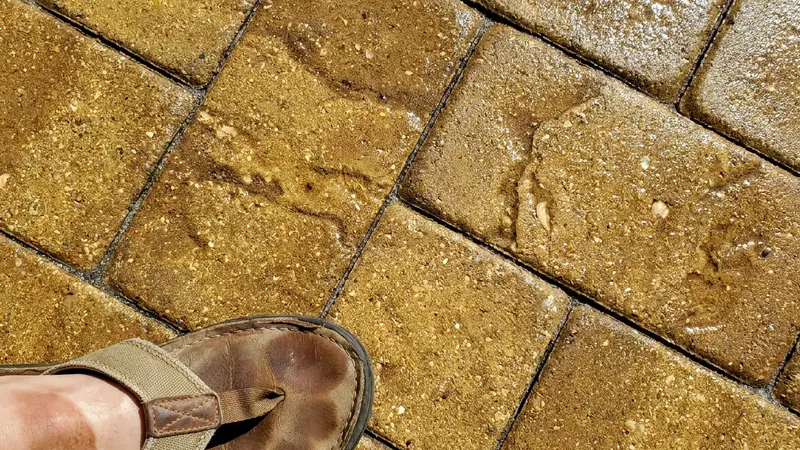
How do Dunedin pavers look after a fresh seal?
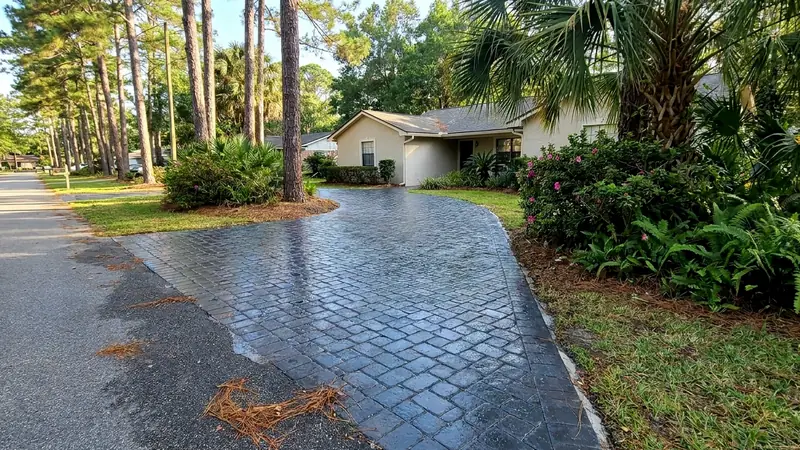
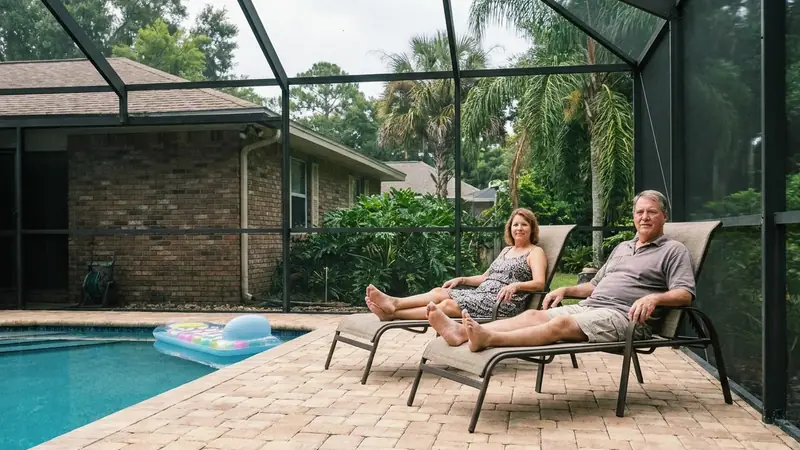
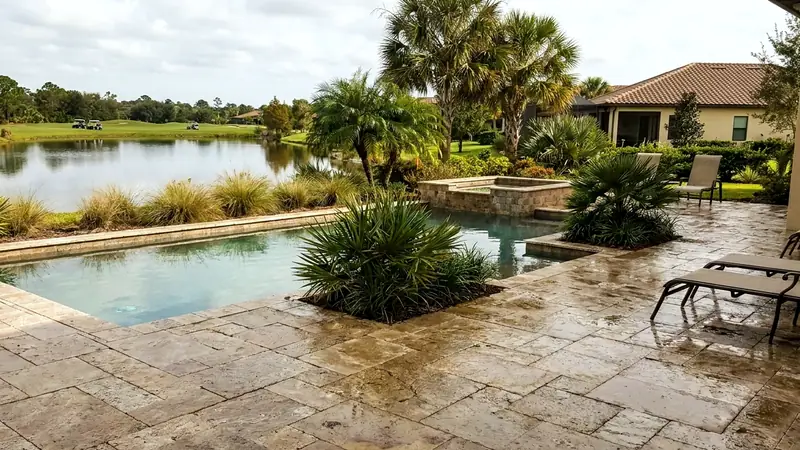
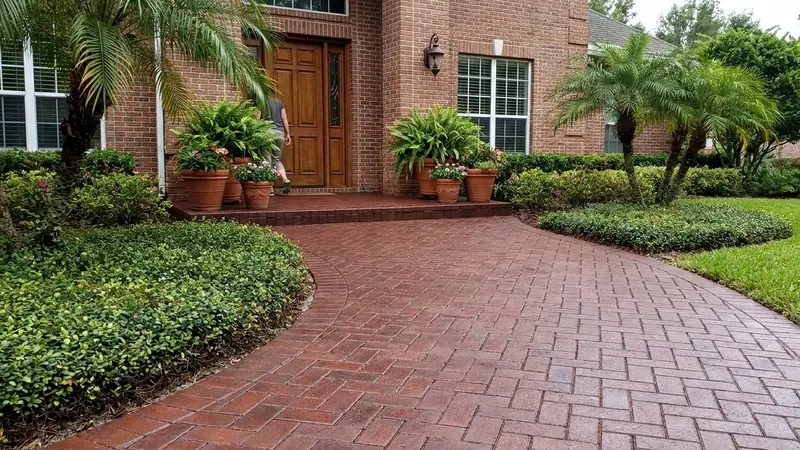
What is the paver sealing process from start to finish?
The paver sealing process runs in five steps, from the first walk around to a final look with you. To get on the schedule, call (727) 493-9640.
1. Walk and measure
For the sealing job, the contractor measures the area and marks dips, loose pavers, old sealer and any spot where water collects.
2. Protect and wash
Plants, screen panels and lights get covered and the sprinkler timer goes off. The surface is washed with a low pressure fan nozzle, held about a foot away, so the joints survive.
3. Treat what is left
Each stain type, whether algae, rust or oil, is treated with its own product. Unilock says to skip wire brushes, since they leave metal bits that rust.
4. Refill the joints
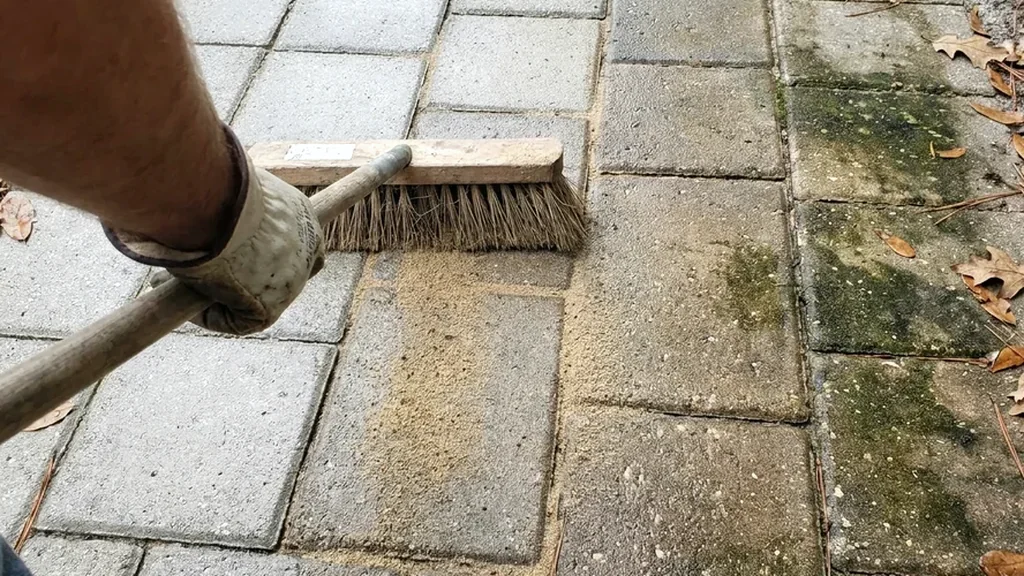
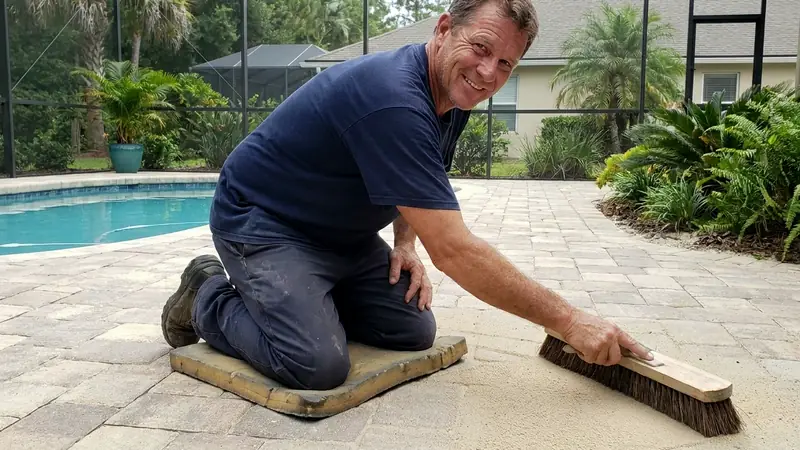
Once the pavers are dry, fresh joint sand is swept in and topped off. Sand that stays on the surface gets swept away.
5. Seal, then walk it with you
Sealer goes down with a sprayer and a dry roller on a dry surface. The contractor then walks the finished area with you and names how long feet and tires should stay off.
Frequently Asked Questions
How often should I seal pavers in Florida?
Plan on every three to five years. Rusty's Pro Wash and Seal says full sun pulls a driveway toward three, while a covered patio can stay protected for five or more. Unilock gives the same three to five year range. Water that no longer beads on the surface means the coat is getting thin.
What is the average cost to seal pavers in Florida?
Tampa Bay companies publish $1.25 to $2.50 per square foot to clean, sand and seal, per Rusty's. A 600 square foot driveway comes to roughly $750 to $1,500. Small jobs are often held up by a minimum charge of $500 to $1,000, and repairs or stripping old sealer add to the bill.
Is it good to seal pavers in Florida?
Yes, when color has faded, the joints run low on sand or green film keeps coming back. Sealing deepens color, helps hold the sand and makes the surface easier to wash. Rusty's points to strong sun, heavy summer rain and high humidity as the reasons sealing matters more here than in drier states.
What are the downsides of sealing pavers?
The main downside is the repeat cost every few years. Unilock also notes that high gloss sealers can be slippery when wet, and that old and new sealer must be tested for compatibility before resealing. Ask what the contractor would use on your surface.
Is it worth it to seal your pavers?
Often it is, because routine care costs less than repair. Rusty's puts routine cleaning and sealing at $1,000 to $3,000 and major restoration at $3,000 to $8,000 or more. Sealing a surface that is still in good shape is the cheaper path.
How do I make my pavers look new again?
Clean them, refill the joints with sand and seal them. Rusty's says most faded pavers can be restored without replacement, though severe fading may not fully reverse. A wet look finish brings back the most color.
Does salt air from St. Joseph Sound wear out sealer faster in Dunedin?
It can. Rusty's says homes directly on the Gulf face heavier salt air and wind-driven moisture, which typically shortens the time between coats. Ask the contractor whether your address calls for a shorter schedule.
Will a Dunedin summer storm ruin a fresh coat of sealer?
It can if rain arrives too soon. Unilock says to plan on 24 to 48 hours of clear weather around the job, and to keep sprinklers off while the coat cures. In a county with near daily summer thunderstorms, a contractor will watch the forecast and may move the date.
Ready to protect your Dunedin pavers with a fresh coat?
Reach out for a free look at the surface. Look for a call or message back inside 1 business day, usually much sooner.
Free, no obligation